
The Rise of the Investment Wardrobe for Kids: Quality Over Quantity in Modern Fashion

Children’s fashion is undergoing a quiet transformation. For years, rapid seasonal turnover and trend-driven mini wardrobes dominated the market. Today, however, more families are reconsidering how and why they purchase clothing for their children. Instead of prioritizing volume and novelty, many parents are embracing the idea of an investment wardrobe, one built around durability, versatility, and long-term value.
This shift reflects broader cultural changes. As conversations around sustainability, cost-per-wear, and mindful consumption gain traction, children’s clothing is no longer viewed as disposable or purely trend-based. Instead, it is increasingly treated as an intentional investment.
Redefining Value in Children’s Fashion
An investment wardrobe does not necessarily mean expensive designer labels. Rather, it centers on selecting fewer, higher-quality pieces designed to endure daily wear, repeated washing, and active play.
Parents today are paying closer attention to fabric integrity, construction details, and adaptability. Reinforced seams, durable stitching, and breathable yet resilient materials often matter more than seasonal prints. Timeless silhouettes that can transition across occasions, from school to family outings, reduce the need for constant replacement.
Brands positioned within this space reflect these priorities. For example, Firebird Kids has emerged as a children’s clothing brand known for high-quality, thoughtfully designed pieces made to last. By focusing on durability and wearability, such brands align with the investment mindset rather than short-term fashion cycles.
Longevity as a Sustainability Strategy
Children outgrow clothing quickly, which historically has fueled a high-turnover purchasing pattern. However, durability still matters even in fast growth phases. Garments that withstand extended use can be passed down to siblings, shared among families, or resold, significantly extending their lifecycle.
The environmental implications of textile production are substantial. The United Nations Environment Programme (UNEP) has highlighted the fashion industry’s significant contribution to water consumption, carbon emissions, and waste generation. While children’s clothing represents only part of that ecosystem, cumulative impact remains meaningful.
Choosing well-made pieces designed for repeat wear reduces textile waste and lowers demand for frequent manufacturing. The investment wardrobe model supports this longer lifecycle approach by prioritizing garments that remain functional and aesthetically relevant over time.
Designing for Active Lifestyles
Durability in children’s clothing requires understanding how garments are used. Kids climb, run, stretch, spill, and repeat. Investment pieces must account for real-world stress.
Key design features that support longevity include reinforced knees in trousers, double-stitched hems, flexible waistbands, and fabrics resistant to pilling or thinning. Comfort also plays a central role. Clothing that restricts movement or irritates skin is unlikely to survive beyond a few wears, regardless of construction quality.
When durability and comfort intersect, garments become reliable staples rather than occasional options. This reliability reduces the temptation to continually add new pieces to compensate for wear or discomfort.
The Economics of Cost Per Wear
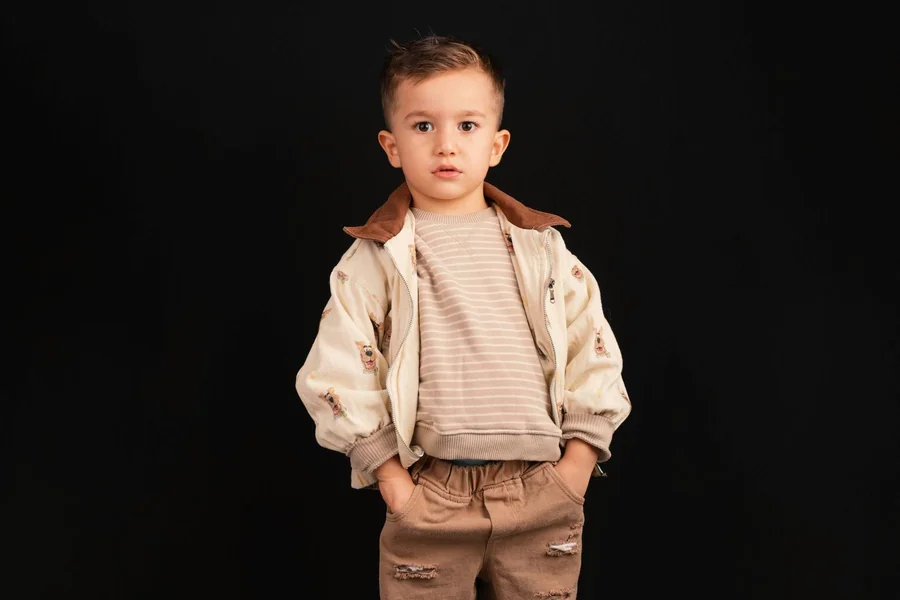
A common misconception about investment wardrobes is that they increase spending. In reality, cost-per-wear analysis often reveals the opposite.
For example, a sweatshirt that costs more upfront but lasts through multiple seasons may ultimately be more economical than several lower-cost alternatives that wear out quickly. When parents calculate value over time rather than at the point of purchase, durability becomes financially logical.
Additionally, well-constructed pieces maintain resale potential. Clothing that remains structurally sound after a growth phase can circulate through resale platforms or community exchanges, further extending value.
Emotional and Cultural Dimensions
Children often form attachments to favorite garments, a jacket worn on special outings or a comfortable sweater that becomes part of daily routine. Investment pieces that maintain quality over time support this emotional continuity.
At a cultural level, the move toward quality over quantity also reflects a shift in parenting philosophy. Many families seek to model responsible consumption habits for their children, demonstrating that value lies not in constant acquisition but in thoughtful selection and care.
The investment wardrobe becomes part of a broader narrative about sustainability, responsibility, and long-term thinking.
Practical Steps for Building an Investment Wardrobe
Families interested in transitioning toward this model often begin gradually. Instead of replacing entire closets at once, they identify core categories where durability matters most, outerwear, everyday bottoms, layering basics.
Neutral color palettes and adaptable cuts simplify coordination and reduce redundancy. Repairing minor wear, such as reinforcing seams or patching knees, further extends lifespan and reinforces the ethos of care over disposal.
Intentional purchasing decisions compound over time. As durable staples accumulate, the need for impulse purchases diminishes.