
What Compensation Looks Like After a Bicycle Accident
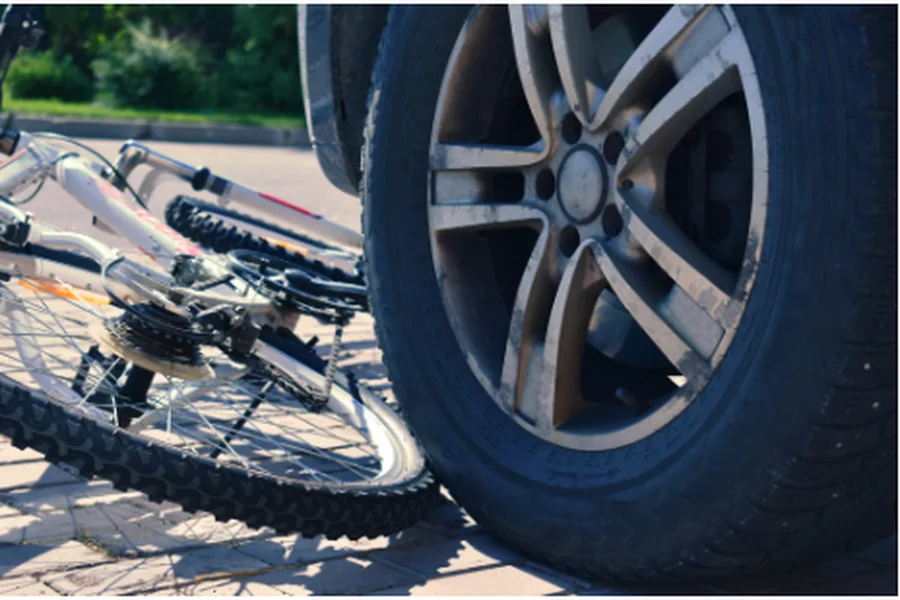
A bicycle accident may last a few seconds, but its effects stretch far beyond that short moment. The road clears quickly, yet the impact stays, showing up in hospital bills, missed work, and a long list of changes that were never planned. What people often miss is that recovery is not only physical, it is also financial and deeply practical. The idea of compensation is not simple, and it rarely comes in one straight line.
It builds piece by piece, depending on what was lost and what still needs attention. Stay with this, it will start to feel clearer soon.
Compensation in Simple Terms
Compensation is the financial support given to cover losses caused by an accident. It is not just about paying bills that already exist, but also about preparing for costs that may appear later. In a bicycle collision compensation claim, the focus stays on the full picture, not just what is visible at first glance.
This includes medical care, lost income, and the everyday challenges that follow an injury. The goal is to bring balance back where loss has already taken place. That is why each part of compensation is looked at carefully and added step by step.
Medical Expenses Form the Base
Medical costs are often the starting point of any claim. These expenses begin from the first treatment and can continue for a long time. Emergency care, hospital stays, medicines, and follow-up visits all become part of the total amount.
In many cases, treatment does not end quickly. Physical therapy, ongoing checkups, and possible future procedures are also included. Doctors may provide estimates for what care will be needed later, which helps shape the overall value of the claim. This is why medical records play such an important role in building a strong case.
Lost Income and Work Impact
Work is more than just a routine, it is a source of income and stability. After a bicycle accident, many people find themselves unable to work for a period of time. Some may return slowly, while others may not return to the same level at all.
Compensation takes this into account. It covers the income that was lost during recovery and may also include future earning limits. Experts study work history, skills, and expected career growth to understand what has been affected. This makes the claim more detailed and gives a clearer picture of the financial loss.
Pain, Discomfort, and Daily Limitations
Not every loss can be measured through bills. Pain, discomfort, and the struggle with daily activities also matter. These effects may not have a fixed price, but they are real, and they influence everyday life.
Simple tasks may become difficult, and routines may change in ways that were never expected. The law recognizes these changes and includes them as part of compensation. Even though this part is harder to calculate, it still holds value in the overall claim.
Property Damage and Other Costs
A bicycle accident often damages more than just the body. The bicycle itself may need repair or replacement, and personal items like phones or gear may also be affected.
There are also small but important costs that add up over time. Travel for medical visits, support equipment, and other related expenses are included. Each of these costs may seem minor alone, but together they form a meaningful part of the claim.
How Fault Affects Compensation
Responsibility plays a big role in deciding the final amount. If another party is fully at fault, the compensation may cover all losses. If there is shared responsibility, the amount may be adjusted based on the level of fault.
This is often called comparative fault. It means that each side’s role in the accident is examined carefully. Evidence, reports, and witness statements help build this part of the case. The clearer the picture of fault, the stronger the claim becomes.
Insurance Companies and Their Role
Insurance companies are responsible for reviewing and handling claims, but the process is not always simple. They may question details, review evidence closely, and sometimes offer lower settlements than expected.
Negotiation becomes an important part of the process. Each side presents its position, and the final amount is often reached through discussion and careful review. This stage can take time, especially in cases where the losses are significant.
What Factors Decide the Final Amount
Several factors come together to shape the final compensation. The severity of the injury plays a major role, along with the time needed for recovery and the long-term impact on daily life.
The strength of evidence also matters. Clear medical records, expert opinions, and proper documentation help support the claim. The more complete the information, the more accurate the final amount becomes.
Common Mistakes That Reduce Compensation
- Accepting early settlement offers without full review.
- Failing to keep proper medical and expense records
- Ignoring future treatment needs
- Not understanding the full value of the claim.
These mistakes can reduce the overall outcome and make the process harder than it needs to be.
Bringing It All Together
Compensation after a bicycle accident is not just a single number. It is a collection of many parts that reflect what was lost and what still needs support. A bicycle collision compensation claim carries weight because it looks at the full impact, not just the surface. Taking the time to understand each part can make the process feel more steady and less uncertain.
Legal professionals help bring structure to the process. They gather evidence, work with experts, and manage communication with insurance companies. Their role is to make sure that every part of the loss is included and presented clearly. This helps protect the value of the claim and supports a fair outcome.