
What Materials Are Used in Bouncy House Design for Maximal Safety?
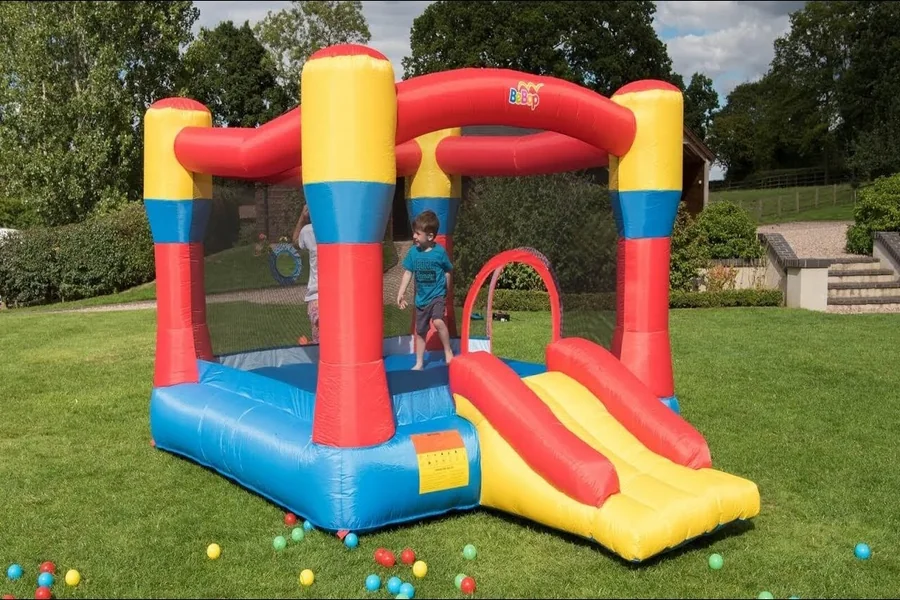
Bouncy houses have become a popular choice for backyard parties, events, and entertainment venues. Parents want to know their children can play safely on these inflatables. The materials used to build these structures directly affect how well they protect kids from injuries.
Modern bouncy houses rely on specialized materials like PVC-coated polyester, reinforced nylon, double-stitched seams, non-toxic coatings, and commercial-grade mesh netting to provide maximum safety. Each material serves a specific purpose in the overall design. Some materials focus on strength and durability, while others prioritize flexibility and visibility.
Understanding these materials helps parents and event planners make better choices about which bouncy houses offer the best protection. The right combination of materials can prevent common accidents like falls, punctures, and collapses. This article examines each key material and explains how it contributes to a safer experience.
PVC-Coated Polyester: Durable, water-resistant, and provides strong structural integrity.
PVC-coated polyester is one of the most widely used materials in bounce house construction because it combines a strong polyester base with a protective polyvinyl chloride coating. This layered structure creates a surface that is both waterproof and tear-resistant, helping inflatables withstand heavy use. The PVC layer reinforces the fabric and protects it from everyday wear, moisture, and environmental exposure.
Compared with standard fabric materials that may absorb water or wear down faster, a long-lasting custom bounce house depends on PVC-coated polyester to maintain shape, safety, and durability over time. The coating prevents water from seeping into the material, reducing the risk of mold and slowing down overall degradation.
The fabric also balances flexibility with strength, allowing it to bend and absorb impact as children jump while returning to its original form after use. With proper maintenance, PVC-coated polyester can remain reliable for many years, handling UV exposure, temperature changes, and repeated inflation cycles without losing structural integrity.
Reinforced Nylon: Lightweight yet flexible, enhancing bounce and safety
Reinforced nylon stands out as a popular material choice for bounce house construction. This fabric combines high strength with a lower weight compared to other options. The material offers excellent tear resistance while it maintains flexibility for safe play.
Manufacturers often add reinforcement through fabric layers or coatings. These additions improve the nylon’s ability to handle repeated stress from jumps and movement. The material resists punctures better than basic fabrics, which helps prevent sudden deflation.
Nylon’s flexibility allows bounce houses to absorb impact energy effectively. This quality reduces the risk of injury during play. The fabric stretches slightly under pressure and returns to its original shape quickly.
The lightweight nature of reinforced nylon makes setup and transport easier. Operators can move these bounce houses without excessive effort. However, the material still provides the durability needed for regular use and outdoor conditions.
Double Reinforced Seams: Prevent air leaks and maintain consistent inflation
The seams of a bouncy house connect different panels of material together. These connection points face the most stress during use. Double reinforced seams use two or three layers of stitching instead of one, which creates a stronger bond between panels.
This extra stitching helps prevent air leaks that can cause a bouncy house to deflate. Most manufacturers also heat-seal the seams after the stitching process. This creates an airtight barrier that keeps air inside the structure.
High-stress areas need special attention. The corners, entry points, and anchor zones receive additional reinforcement through webbing or extra layers of material. This prevents tears and rips in spots where children jump most often.
The thread used in double reinforced seams also matters for safety. UV-resistant, high-tenacity nylon thread lasts longer and resists damage from sun exposure. Quality seam construction maintains proper air pressure throughout hours of play.
Non-Toxic Materials: Ensures safety for children by avoiding harmful chemicals
Bouncy house manufacturers select materials that protect children from harmful chemical exposure. The best designs use vinyl and PVC that meet strict safety standards and contain no toxic additives. These materials must be free from lead, phthalates, and other dangerous substances that can affect child development.
Children have developing organ systems and immature detoxification abilities. They also put their hands in their mouths frequently, which makes them more vulnerable to chemical exposure than adults. Therefore, bouncy houses require materials that resist degradation without releasing toxic fumes or residues.
Quality bounce houses use non-toxic inks for colors and designs. The adhesives and sealants must also meet child safety regulations. Many manufacturers test their products to verify they contain no harmful chemicals before they reach customers.
Parents should check for safety certifications that confirm materials are free from toxic substances. These certifications show the product passed independent lab tests for chemical safety.
Commercial-Grade Mesh Netting: Prevents falls while maintaining visibility and airflow
Commercial-grade mesh netting serves as a key safety feature in modern bouncy house construction. This material creates a protective barrier that stops children from falls while parents can still watch their kids play. The mesh design allows air to move freely through the structure, which helps prevent overheating on hot days.
Manufacturers typically use high-strength nylon or polyester mesh for these safety barriers. These materials resist tears and maintain their strength even with repeated use. The mesh installs along elevated platforms, openings, and transition areas where fall risks exist.
The netting’s open weave pattern offers two major advantages. First, it provides clear sightlines so adults can monitor children at all times. Second, it allows continuous airflow throughout the inflatable structure, which keeps temperatures comfortable during active play.
Safety netting must meet specific strength standards to protect users effectively. Most commercial-grade options support significant weight loads and pass rigorous safety tests before manufacturers approve them for use in bounce houses.
Conclusion
The right materials make bounce houses safe for children to use. PVC vinyl and nylon provide the strength needed to resist tears and handle heavy use. Reinforced seams, fire-resistant coatings, and proper anchors prevent accidents and keep structures stable. Parents and rental businesses should look for high-quality materials with non-toxic properties to protect jumpers during play.