
What Mesa Businesses Should Know About Commercial HVAC Support from Semper Fi Heating and Cooling.
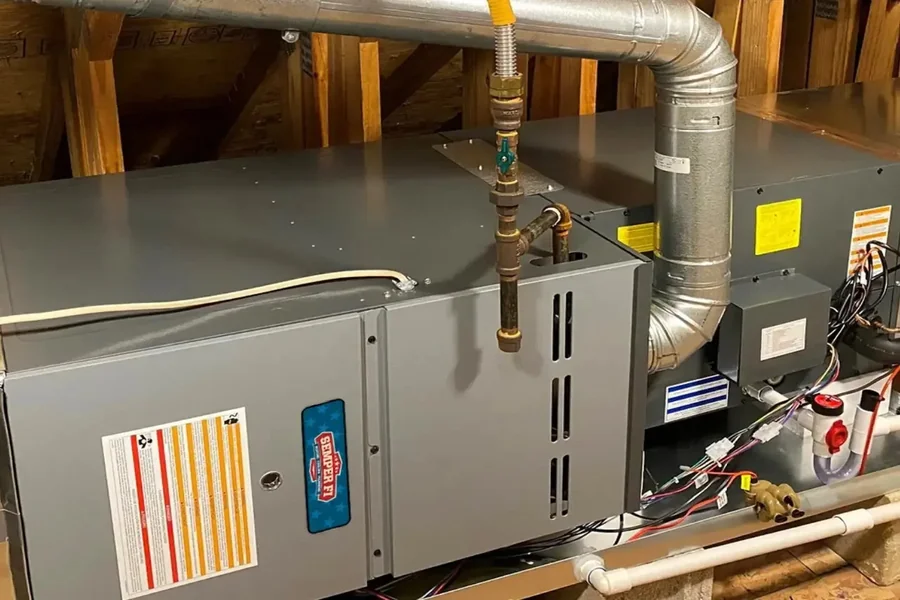
For businesses operating in Mesa, maintaining a dependable commercial HVAC system is not just a matter of comfort but a core operational requirement. Climate control affects employee productivity, customer experience, equipment performance, and even regulatory compliance in certain industries. Commercial environments place very different demands on heating and cooling systems compared to residential spaces, requiring thoughtful planning, consistent monitoring, and responsive service.
We will explore how Mesa businesses can better understand commercial HVAC support, the region’s unique challenges, and how working with Mesa HVAC contractors and a structured service provider can contribute to operational stability. From proactive maintenance to long-term system planning, informed HVAC decisions help businesses manage costs, avoid disruptions, and create spaces that operate efficiently year-round.
The Role of Climate Demands in Mesa Commercial Facilities
Mesa’s desert climate presents distinct challenges for commercial HVAC systems, particularly during extended periods of high heat. Unlike residential units with limited square footage and predictable usage patterns, commercial systems must handle fluctuating occupancy levels, variable operating hours, and diverse heat loads from equipment, lighting, and foot traffic. High outdoor temperatures force systems to run longer cycles, increasing mechanical strain and energy consumption. Businesses that understand this environment are better positioned to plan for system durability and performance consistency.
Proper commercial HVAC support addresses these conditions by emphasizing system sizing accuracy, airflow balance, and heat-mitigation strategies. Without these considerations, even a newer system may experience uneven cooling, rising utility costs, or premature component wear. Mesa businesses benefit from service providers who understand how local climate factors affect system performance over time and can recommend adjustments that align with building design and operational requirements, ensuring indoor conditions remain stable even during peak summer months.
Maintaining a consistent climate is particularly challenging for Mesa business owners who must balance operational demands with fluctuating desert temperatures. When equipment is pushed to its limit during peak summer months, the internal mechanisms face significant stress that can lead to premature failure without professional oversight. Facility managers who choose to Learn more about the specific technical requirements of their units often find that proactive inspections reveal hidden refrigerant leaks or electrical inconsistencies before they manifest as total system shutdowns. By prioritizing these detailed assessments, organizations can ensure that their cooling infrastructure remains a reliable asset rather than an unpredictable liability. This strategic focus on upkeep ultimately fosters a more productive work environment while securing the long-term viability of the building’s mechanical investments.
Preventive Maintenance as a Business Continuity Strategy
For many Mesa businesses, HVAC issues only gain attention when a breakdown disrupts operations. However, commercial HVAC support is most effective when approached as a preventive strategy rather than a reactive expense. Scheduled inspections, filter management, electrical checks, and performance testing help identify minor issues before they escalate into system failures. In commercial settings, even a short interruption can lead to lost revenue, uncomfortable working conditions, or dissatisfied customers. Preventive maintenance also supports predictable budgeting by reducing emergency repair costs and extending equipment lifespan.
Semper Fi Heating and Cooling structures maintenance programs to align with business schedules, minimizing downtime while maintaining system reliability. Consistent upkeep not only improves system efficiency but also provides business owners with operational confidence. By viewing HVAC maintenance as part of broader risk management, Mesa businesses can reduce unexpected disruptions and maintain steady performance throughout demanding seasons.
Energy Efficiency and Cost Control in Commercial HVAC Systems
Energy consumption is a significant operating cost for commercial properties, particularly in climates where cooling demands are sustained for much of the year. Commercial HVAC support plays a central role in helping businesses manage these expenses without compromising comfort. Efficiency is influenced by system design, control strategies, insulation quality, and ongoing calibration. Advanced thermostats, zoning systems, and airflow optimization can significantly reduce wasted energy, especially in large or multi-use facilities. Businesses that work with knowledgeable HVAC providers gain insight into how operational practices affect energy use, such as after-hours settings and equipment scheduling.
Semper Fi Heating and Cooling assists Mesa businesses in identifying efficiency gaps and implementing practical improvements that align with usage patterns. Over time, these adjustments contribute to lower utility costs and more predictable monthly expenses. Energy-conscious HVAC planning also supports sustainability goals, which are increasingly relevant for businesses seeking to demonstrate responsible operations to clients and partners.
Planning for System Longevity and Future Growth
Commercial HVAC systems are long-term investments, and their performance is closely tied to how well they are planned, installed, and supported. Mesa businesses experiencing growth, space reconfiguration, or changing occupancy needs must consider how these factors affect heating and cooling requirements. An undersized or outdated system may struggle to meet new demands, while an oversized system may cycle inefficiently and increase wear and tear. Effective commercial HVAC support includes periodic system evaluations to ensure alignment with current business needs.
Forward-looking planning helps businesses avoid costly replacements and supports smoother transitions during expansion or renovation. HVAC contractor works with business owners to assess system capacity, recommend upgrades when appropriate, and coordinate installations with minimal disruption. By viewing HVAC systems as adaptable infrastructure rather than fixed assets, Mesa businesses can maintain comfort and performance as their operations evolve.
Commercial HVAC support is a foundational element of successful business operations in Mesa, influencing comfort, efficiency, and reliability across a wide range of industries. Understanding local climate demands, prioritizing preventive maintenance, managing energy use, and planning for long-term system performance all contribute to stable and cost-effective operations. Working with a structured service provider helps ensure systems are supported with consistency and foresight. By treating HVAC as a strategic asset rather than a background utility, Mesa businesses can create environments that support employees, serve customers effectively, and remain resilient in the face of demanding conditions.