
Why Lounge Culture Still Thrives in Modern Social Spaces
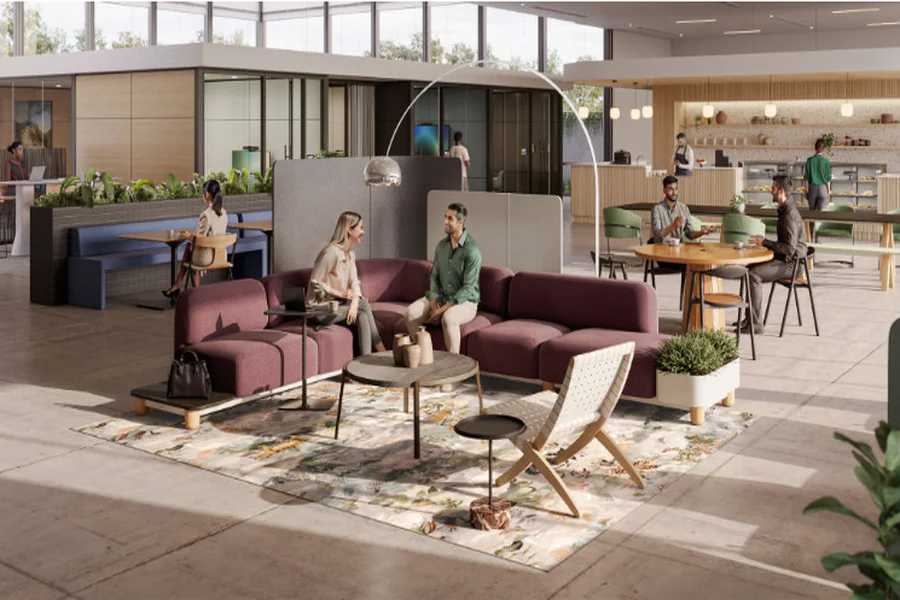
Across the United States, the way people socialize is quietly shifting. As daily life becomes faster and more digitally saturated, many Americans are stepping away from loud, high-energy venues in favor of environments that feel intentional, calming, and human. Instead of constant stimulation, there is growing interest in spaces that encourage people to slow down, connect, and be present with one another. This shift has reshaped how contemporary social spaces are designed and experienced nationwide.
Lounges have emerged as a natural response to this cultural evolution. Unlike traditional nightlife settings built around speed and spectacle, lounges emphasize atmosphere, comfort, and conversation. From urban neighborhoods to suburban districts, these spaces invite guests to linger rather than rush. Social interaction feels less transactional and more meaningful, grounded in shared moments instead of fleeting encounters.
The Return of Intentional Socializing in the U.S.
In an era dominated by screens, notifications, and remote communication, physical gathering spaces feel increasingly valuable. While digital platforms keep people connected, they often lack the warmth and nuance of face-to-face interaction. Across American cities, there is renewed appreciation for places that encourage presence rather than distraction.
Lounges support this shift by offering environments that feel immersive without being overwhelming. Thoughtful lighting, comfortable seating, and curated soundscapes help create settings where conversation comes naturally. These spaces are not designed for quick visits or constant turnover, but for shared time — allowing relationships to unfold at a more human pace.
A Cultural Tradition Reimagined
Social gathering spaces have long played an important role in American culture. Historically, places like cafés, salons, and neighborhood meeting spots served as centers for conversation, creativity, and community. As described in café culture, these environments were never just about what was being served — they were about the experience of being together.
Modern lounges carry that tradition forward. By blending hospitality with contemporary design, they reflect a continued desire for spaces that prioritize atmosphere, comfort, and connection. While styles and aesthetics evolve, the underlying purpose remains the same: creating environments where people feel welcome to gather, talk, and stay awhile.
Spaces Designed Around Togetherness
Within the broader landscape of lounge culture, many spaces are intentionally designed to foster group interaction. Seating layouts often encourage shared experiences, while open yet intimate designs promote conversation over isolation. These environments naturally bring people together without forcing interaction.
For those unfamiliar with this style of social space, what is a hookah lounge provides helpful context on how these environments function as community-driven gathering places. At their core, lounges are designed around ambience, hospitality, and social connection rather than constant activity or spectacle.
Design That Shapes the Experience
Design plays a critical role in how lounges are experienced. Interiors are often curated to promote relaxation and social flow. Warm tones, layered textures, and low-profile seating invite guests to settle in comfortably. Lighting is soft and intentional, creating intimacy without feeling closed off.
Sound design is equally important. Music is selected to complement the atmosphere rather than overpower conversation. Together, these elements create a cohesive environment that feels balanced and inviting. Guests may not consciously analyze each design choice, but they experience the outcome — comfort, ease, and a sense of belonging.
Community Over Convenience
One defining trait of successful lounges across the U.S. is their emphasis on community. These spaces often attract regular visitors who return not only for the environment but for the connections they build. Over time, lounges become familiar gathering places where conversations continue and relationships deepen.
Unlike venues designed for rapid turnover, lounges encourage guests to stay. Time feels flexible, allowing interactions to unfold organically. This slower pace supports a form of social engagement rooted in presence rather than distraction — something many Americans are actively seeking today.
A Counterbalance to Digital Life
As technology continues to shape communication, physical gathering spaces offer an important counterbalance. Lounges provide opportunities to reconnect with the tangible elements of social interaction: shared laughter, eye contact, and uninterrupted conversation. These moments foster a sense of connection that digital platforms cannot replicate.
By emphasizing shared experiences, lounges reinforce the value of intentionally designed social environments in a culture often defined by multitasking and divided attention.
Why Lounge Culture Remains Relevant in America
The continued popularity of lounge culture reflects its adaptability. While rooted in tradition, modern lounges evolve to meet contemporary tastes and expectations. Diverse influences, updated design, and inclusive atmospheres allow these spaces to resonate with a wide range of communities across the country.
At their core, lounges meet a fundamental human need: connection. As long as people seek environments that encourage conversation, comfort, and community, lounges will remain an essential part of American social life.
Looking Ahead
As cities grow and lifestyles continue to evolve, experience-driven spaces are likely to play an even greater role in how Americans gather. Lounges represent a broader movement toward environments that prioritize atmosphere, intention, and human interaction.
By offering a slower, more thoughtful alternative to traditional nightlife, these spaces continue to shape modern social culture. They remind us that some of the most meaningful experiences are not defined by noise or novelty, but by places designed simply for people to come together — and stay awhile.