
Integrating Applied Behavior Analysis into Daily Life
Applied Behavior Analysis (ABA) is a scientifically validated approach that focuses on understanding and improving behaviors in meaningful ways. While it is most commonly known for its success in supporting individuals with autism spectrum disorder (ASD), ABA’s guiding principles can be applied in many everyday situations to benefit people of all ages. By learning methods to reinforce positive behaviors and reduce those that interfere with daily living, families and individuals can create a more adaptive, supportive environment. For those seeking guidance or professional services, specialized options such as mental health treatment in Colorado Springs can help bridge the gap between clinical practice and home routines.
ABA is not limited to therapy rooms. Parents, caregivers, teachers, and individuals themselves can weave ABA strategies into daily life, making small changes that snowball into significant improvements. By taking a proactive role in behavior management and skill building, households can foster greater independence and resilience.
In daily life, difficulties such as communication challenges, struggles with self-care, or difficulty forming social relationships are common. ABA provides concrete, evidence-based techniques to address these hurdles and offers a framework for lasting change. Thanks to its data-driven nature, ABA enables families to measure progress, celebrate gains, and address setbacks with identifiable solutions.
Understanding ABA
ABA involves the practical application of learning theories to modify behavior. Its foundation is built upon methods such as positive reinforcement, antecedent modification, and data tracking. By analyzing the environmental factors surrounding a behavior and its consequences, ABA focuses on teaching new skills and reducing nonfunctional or harmful behaviors.
A key aspect of ABA is the ability to individualize strategies to suit the unique needs of each person. The process is collaborative, involving families, professionals, and the individual whenever possible. Progress is objectively monitored, and interventions are adjusted based on observations and data collected in real-world settings.
Benefits of ABA in Daily Life
Introducing ABA into daily routines helps address a variety of behavioral, social, and life skills challenges. When practiced regularly, ABA strategies produce lasting improvements, including:
- Enhanced Communication Skills: Using ABA, individuals learn new and functional ways to ask for help, make choices, and express themselves. This not only decreases frustration but also increases mutual understanding in families and social groups.
- Improved Social Interactions: ABA can foster critical social skills such as taking turns, sharing, and responding to greetings. By rewarding positive social actions, individuals gain greater confidence and success during peer interactions.
- Increased Independence: Daily routines, self-care habits, and problem-solving skills can flourish through consistent ABA methods. With structured teaching and encouragement, individuals develop the confidence and autonomy needed to manage more aspects of their own lives.
Practical Strategies for Implementing ABA
Applying ABA methods outside clinical environments is approachable and effective with the right strategies. Consider these foundational steps:
- Define Specific Behaviors: Identify exactly what behaviors you want to see more or less of. Be descriptive and objective in your observations.
- Set Measurable Goals: Break down targets into manageable, observable steps and document progress toward each.
- Use Positive Reinforcement: Immediately reward desired behaviors with praise, tokens, or preferred activities to reinforce their frequency.
- Monitor Progress: Take regular notes or use charts to record behaviors. This allows you to adjust interventions as needed and celebrate gains, however small.
- Maintain Consistency: Ensure everyone involved uses the same strategies and rewards across all environments for best results.
Overcoming Challenges in ABA Implementation
ABA can present obstacles, especially when new routines challenge established patterns of behavior. Difficulties may surface as pushback from children or inconsistencies in how strategies are applied. To overcome these barriers, consider the following approaches:
- Seek Professional Guidance: Engaging with trained ABA therapists or consultants ensures that techniques are appropriately tailored and adjusted, offering both structure and flexibility based on the situation.
- Engage Family Members: Encourage all caregivers to practice strategies together to ensure clarity and predictability for the individual receiving support.
- Be Patient and Persistent: Behavioral change is a process. Focusing on small victories and consistent effort creates momentum over time.
Real-Life Examples of ABA Success
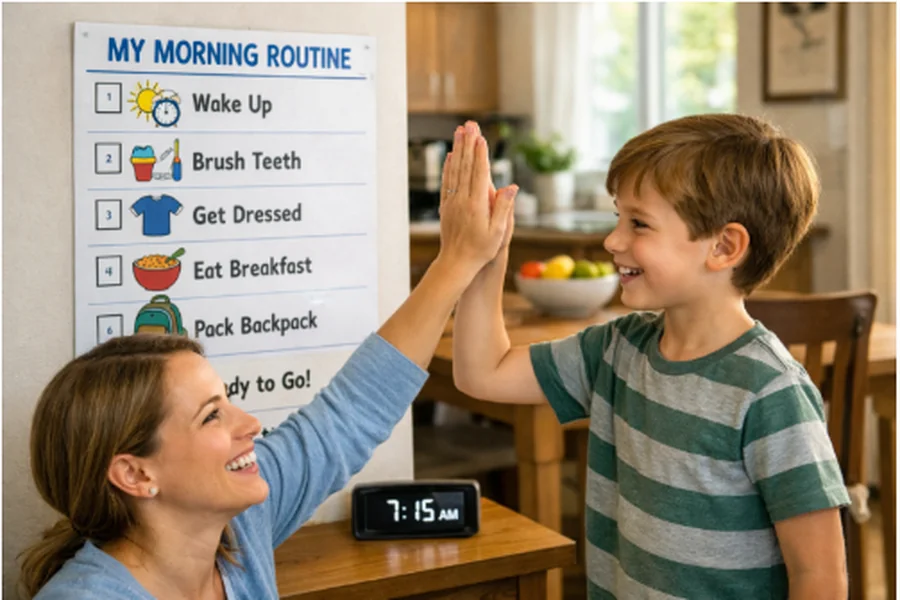
In practice, ABA has supported countless individuals and families. For example, a young child with ASD initially struggled with following daily routines such as getting dressed and eating breakfast. Through clear goal setting and consistent reinforcement, the child gradually mastered the morning schedule, leading to smoother days and less stress for the entire family. Similar stories are echoed in schools, workplaces, and homes, demonstrating ABA’s far-reaching impact when thoughtfully implemented.
Conclusion
ABA’s evidence-based principles make it a flexible and effective choice for transforming everyday life. Whether supporting communication, social engagement, or growing independence, these strategies empower both individuals and their communities. By incorporating ABA methods and seeking guidance or professional resources when needed, anyone can foster positive and lasting change in daily routines and relationships.